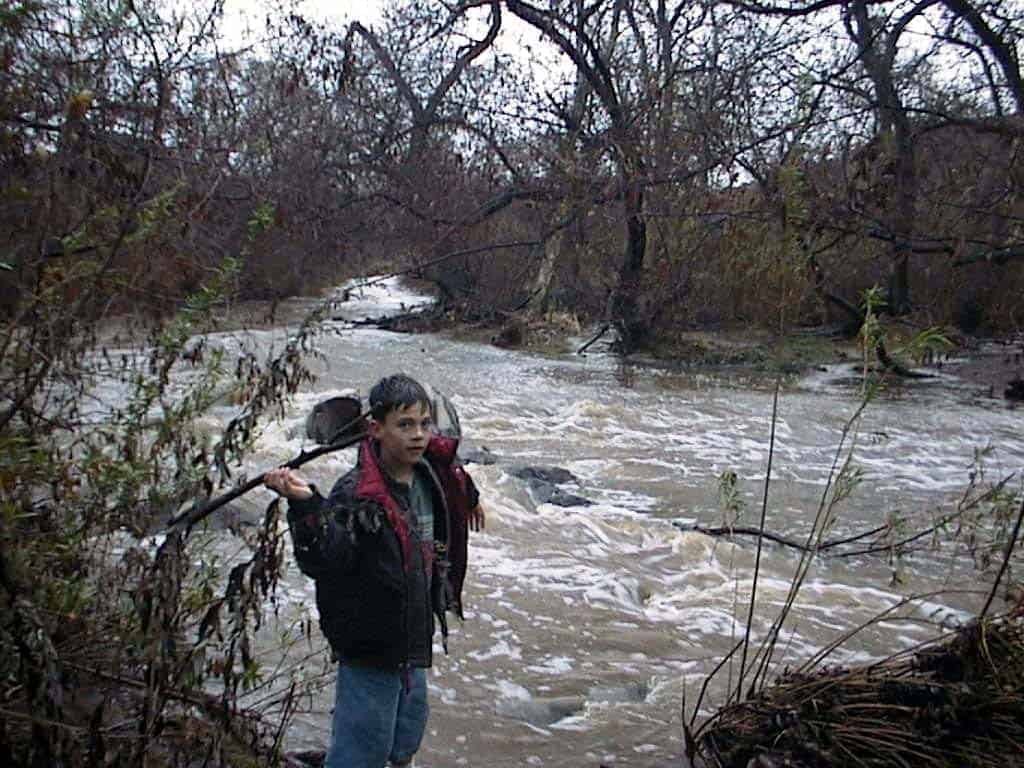
A Canadian company has developed a sustainable solution harnessing the power of ocean waves. Oneka Technologies’ floating desalination machines use renewable wave energy to turn seawater into drinking water.
Anchored offshore, these eco-friendly devices pump and filter thousands of liters daily without any energy input. Oneka's approach provides clean water while protecting marine life through proper brine discharge. READ MORE.

Did You Know
Despite the widely held misunderstanding that Franklin D. Roosevelt had polio, his health problems and lower body paralysis are now considered the result of Guillain-Barré syndrome, a very rare autoimmune disorder that damages the peripheral nervous system.
Roosevelt's doctor, Robert W. Lovett, believed that the president had contracted the polio virus when he visited a Scout camp 13 days earlier. Dr Lovett was then the leading American doctor for polio. For him, fever and the crippling side effects were sufficient to diagnose the president with polio. The reason why all factors were pointed at polio, the disease was rampant during that period with several outbreaks reported during the previous summer in many cities. In addition, very little was known of the Guillain-Barré Syndrome.

Nice website with interactive maps and updated data on the current status of windEnergy
Did You Know
Wind power is one of the cleanest and most sustainable sources of energy available to us right now. It is an infinite resource that will never run out, and which produces zero emissions once installed.
6.59% of Global electricity comes from wind power. Global wind power capacity now stands at over 743 GW. In the US, the figure is higher than it is globally. Wind currently provides 9.2% of electricity in the United States.
Clean Energy
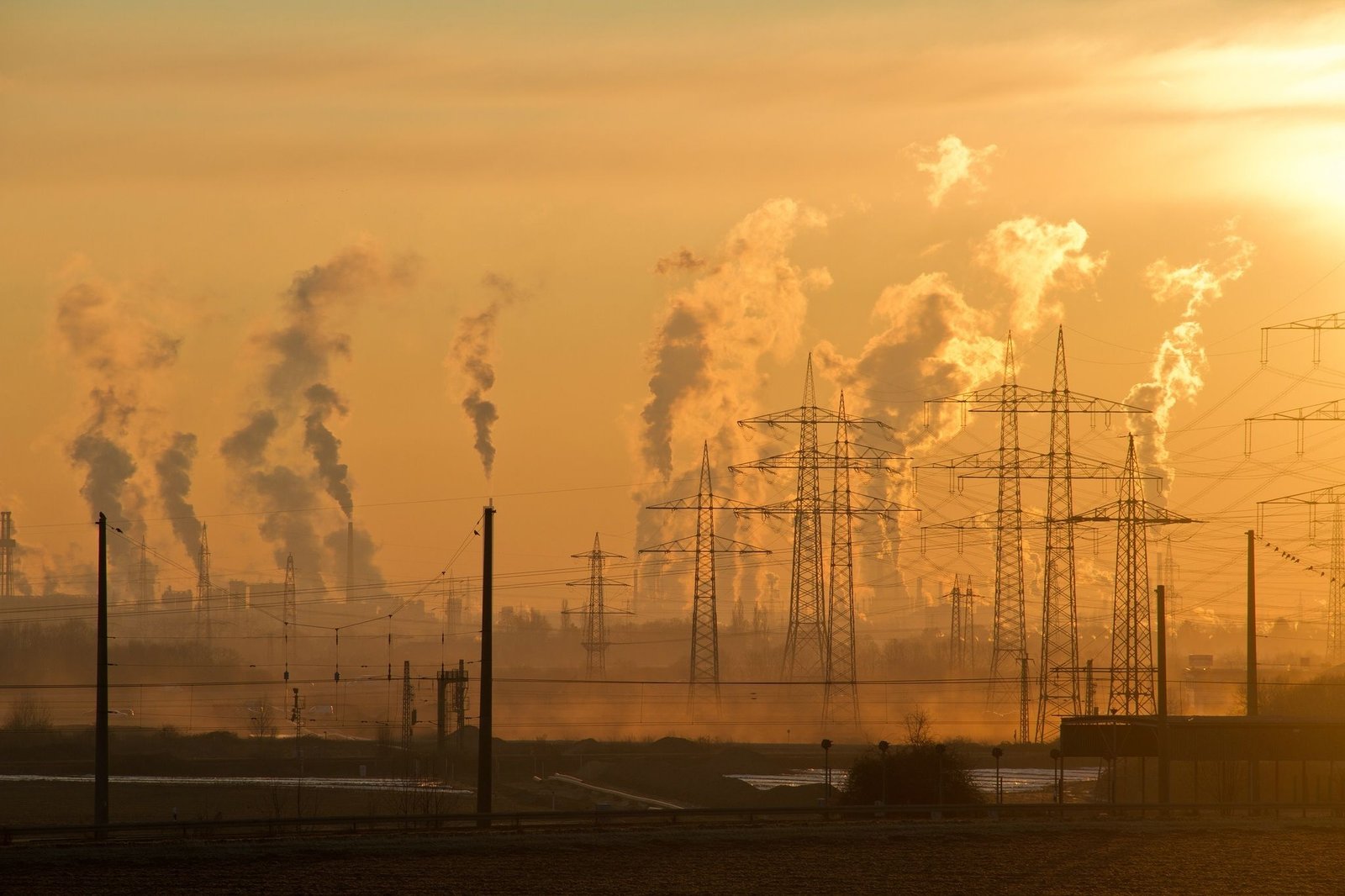
The Industrial Revolution, beginning in the mid-18th century, led to the start of an anthropogenic (human-caused) rise in greenhouse gas emissions from Europe and the United States. Global warming refers to the increase in the planet’s overall average temperature in recent decades. Natural processes have always affected Earth’s temperature and climate, but more recently, the planet’s temperature and climate have changed at a higher pace than nature alone can explain. These rapid changes are due to human activities and the widespread use of fossil fuels for energy.
Click to read more-->
Rain Forest
Tropical rain forests provide habitat for approximately 50% of the world’s land-dwelling plants and animals, 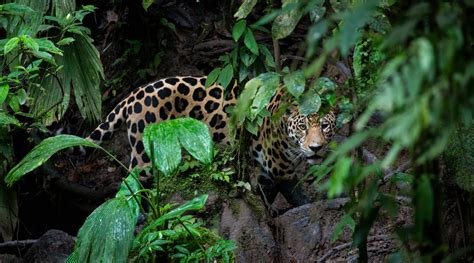 help regulate the global climate by storing carbon dioxide, and offer resources like food and medicine. They also play a crucial role in maintaining soil fertility and supporting indigenous communities.
Tropical rainforests are under severe threat from deforestation, habitat loss, climate change, and human activities, jeopardizing biodiversity and global climate stability.
Supermassive black hole
At the heart of the Milky Way is approaching the cosmic speed limit, dragging space-time along with it.
"Discovering that Sgr A* is rotating at its maximum speed has far-reaching implications for our understanding of black hole formation and the astrophysical processes associated with these fascinating cosmic objects," Xavier Calmet, a theoretical physicist at the University of Sussex, told Live Science. LiveScience
Oceans
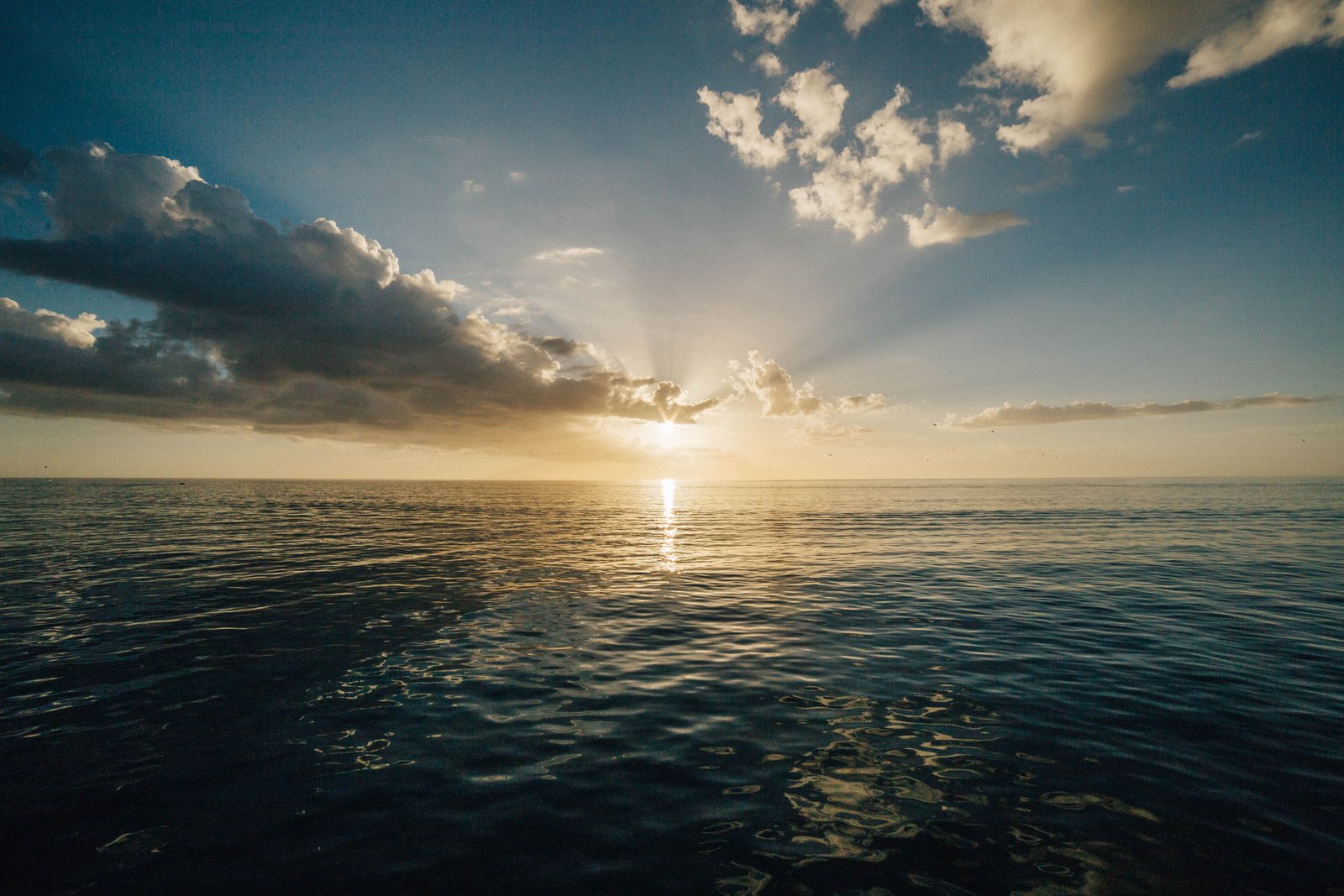
Cover about 71% of Earth's surface and contain roughly 97% of the planet's water. The Pacific Ocean is the largest and deepest, with the deepest point, Challenger Deep in the Mariana Trench, reaching about 11 kilometers (36,070 feet) deep. Oceans are home to over 240,000 known species, with millions more potentially undiscovered. They provide nearly 50% of the Earth's oxygen through photosynthesizing plankton.
As countries grapple with growing water scarcity, a Canadian company has developed a sustainable solution harnessing the power of ocean waves. Oneka Technologies’ floating desalination machines use renewable wave energy to turn seawater into drinking water. Anchored offshore, these eco-friendly devices pump and filter thousands of liters daily without any energy input. Oneka's approach provides clean water while protecting marine life through proper brine discharge.