About: Balboa Park
In 1868, civic leaders set aside 1,400 acres of a scrub-filled mesa to create a park, an area that now overlooks downtown San Diego. San Diego was home to just 2,300 residents back then, yet its leaders had the vision to create a park that would serve its citizens and visitors for years to come. In 1870, the state legislature passed a law stating that the lands would be held in trust for a park forever.
A high school, which later became San Diego High School, was built, and the military took over much of the park during WWII to build a hospital. These structures remain, but there will be no more taking of park land.
In 1892, horticulturist Kate Sessions leased 36 acres for a nursery. In exchange, she donated hundreds of trees and plants to the city annually. Sessions is credited with introducing many native and exotic plants to the park, and many of her original trees are still visible today.
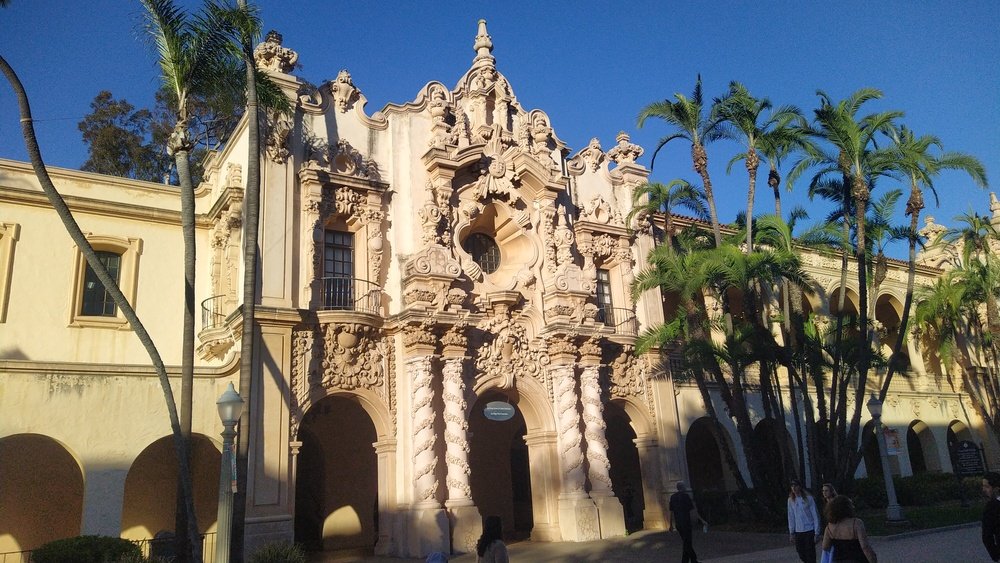
In 1910, with preparations underway for the Panama Canal exposition, the park was named for Vasco Núñez de Balboa. Much of the present-day look and feel of the park can be attributed to the 1915 Panama-California Exposition. Built in the Spanish Colonial-revival style, the park’s highly ornamental aesthetic was the first of its kind in the United States. More than 3.7 million visitors attended the expo during its run.
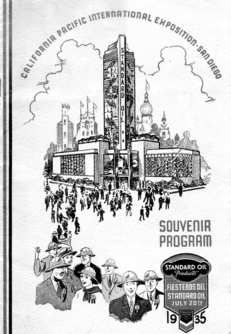
Twenty years later, San Diego hosted the 1935 California Pacific International Exposition. Additional structures were added, including the Old Globe Theatre, International Cottages, and Spanish Village. In 1977, Balboa Park was declared a National Historic Landmark. Today, it is a premier center for arts and culture in San Diego.